Reading is Dreaming: Craft Fair Review
As an experienced embroidery designer preparing for a busy weekend craft fair, I approach every new machine embroidery design with a critical eye. It is not enough for a digitized file to simply look good on a computer screen; it must translate into a tangible, sellable handmade product that catches the attention of shoppers walking past a booth. When evaluating the "Reading is Dreaming with You Eyes Open" design for my upcoming market table, I am looking for versatility, production efficiency, and that specific emotional hook that turns a browser into a buyer. This review breaks down how this specific embroidery file performs in a real-world commercial setting, focusing on practical application for Etsy sellers, boutique makers, and creative entrepreneurs.
First Impressions and Booth Appeal
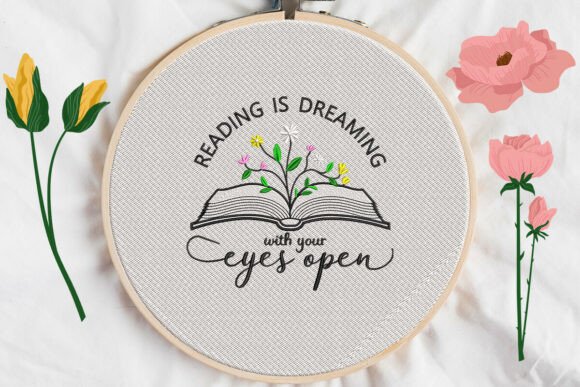
The phrase "Reading is Dreaming with You Eyes Open" immediately evokes a sense of whimsy, intellect, and cozy comfort. From a design perspective, this title suggests a aesthetic that bridges the gap between modern minimalism and classic library nostalgia. For a craft fair product, this is gold. Shoppers at handmade markets are often drawn to items that validate their personal identities, and book lovers are a passionate demographic. The design feels imaginative yet grounded, making it suitable for a wide age range, from students in the School category to adult bibliophiles.
Visually, I anticipate this design carrying a soft but vibrant flair. It does not feel overly rustic or aggressively festive; instead, it leans toward a thoughtful, decorative elegance. This mood is essential for booth displays because it allows the finished product to stand out without screaming for attention. In a sea of loud graphics, a design that celebrates the quiet joy of reading offers a visual pause that invites customers to step closer and inspect the stitch quality. For Etsy seller listings, this emotional resonance translates directly to click-through rates, as the concept photographs beautifully alongside props like vintage books, reading glasses, and warm lighting.
Best Product Applications for Market Sales
When stocking a table for a weekend market, inventory diversity is key. I have evaluated where "Reading is Dreaming with You Eyes Open" fits best within a standard commercial embroidery lineup. Not every digital embroidery file works on every substrate, so strategic placement is necessary.
- Tote Bag Design: This is arguably the strongest application. Canvas tote bags are high-margin items at craft fairs. The flat surface of cotton canvas accommodates text-heavy designs perfectly, and the literary theme aligns seamlessly with the function of carrying books. As a tote bag design, this artwork serves as both a fashion statement and a functional identifier for fellow readers.
- Tea Towel Embroidery: Kitchen textiles are staple sellers. However, flour sack towels require careful consideration regarding stitch density. If the design is too dense, it will pucker the lightweight fabric. Assuming the digitizing is optimized for linens, this makes for an excellent giftable item. The contrast of thread against unbleached cotton creates a premium, farmhouse-modern look that appeals to home decor buyers.
- Apron Embroidery: For the baker who reads while waiting for dough to rise, this is a niche but profitable angle. Aprons offer a large hoop area, allowing the full quote to shine without cramping the lettering. This application elevates a utilitarian garment into a personalized keepsake.
- Embroidered Patch: Creating patches is a fantastic way to utilize scrap fabric and offer a lower price point entry item. If the design holds its detail at a 3-inch or 4-inch size, it becomes a versatile add-on sale. Customers who might not buy a $30 tote may happily purchase a $8 patch to iron onto their existing denim jacket or backpack.
- Pillow Covers and Home Decor: While harder to display effectively at a crowded outdoor market, pillow covers are top-tier sellers online. The "dreaming" aspect of the title lends itself to bedroom or reading nook aesthetics. For digital sellers offering printable mockups, this application allows for stunning lifestyle photography that drives digital sales of the physical item.
Production Practicality and Technical Notes
A beautiful design is useless if it causes production bottlenecks. Before committing "Reading is Dreaming with You Eyes Open" to batch production, I always run through a technical checklist. Text-based Embroidery designs live or die by their legibility. If the customer cannot read the quote from three feet away at a market stall, the message is lost.
Critical Use Considerations
I advise fellow makers to pay close attention to the following technical aspects when working with this file:
- Small Lettering Clarity: Quotes often involve smaller font sizes to fit the hoop. Verify that the column width is sufficient for your thread weight. If you use 40wt thread, ensure the letters are not thinner than 1mm, or they risk breaking during production or washing. On textured fabrics like terry cloth, small details can disappear entirely.
- Stitch Density Management: To prevent bulletproof stitching on tea towels or lightweight apparel, check the underlay. A proper center walk or edge run underlay is vital for keeping text crisp without over-saturating the fabric. High density equals longer run times and higher chance of puckering.
- Fabric Texture Compatibility: While the description mentions embellishing towels, be wary of high-pile terry. You may need a water-soluble topping to keep the stitches from sinking into the loops. For caps, ensure the design has been specifically digitized for curved surfaces; flat files often distort on the crown of a hat.
- Hoop Size Verification: Never assume your machine’s maximum field matches the file’s requirements. Always confirm the exact dimensions before purchasing or stitching. Wasted stabilizer and re-hooping due to size mismatches kill profit margins.
- Thread Color Contrast: "Vibrant and imaginative" implies color play, but readability comes first. Test high-contrast combinations. White text on cream fabric looks elegant in photos but vanishes in dim indoor lighting. Dark grey or navy often reads better than pure black on light fabrics, reducing harshness while maintaining visibility.
Designer Workflow for Commercial Success
To maximize the return on investment for this small shop product, follow a disciplined pre-production workflow. Do not skip the test stitch-out. Use a scrap piece of the exact fabric you intend to sell, not just a generic test square. Wash and dry the sample to check for shrinkage or distortion. This step is non-negotiable for professional results.
Review your stabilizer choices based on the end use. Cut-away backing is generally superior for wearables like t-shirts and tote bags to prevent stretching over time, while tear-away may suffice for stable tea towels. Create at least one real-life mockup rather than relying solely on software rendering. Customers trust photos of actual stitched goods. Compare fabric colors in natural daylight to ensure the "vibrant flair" promised in the description translates accurately.
Finally, always confirm commercial licensing terms included with the design assets. Just because a file is available for purchase does not automatically grant unlimited production rights for finished goods. Protecting your business means respecting intellectual property. By treating "Reading is Dreaming with You Eyes Open" with this level of professional scrutiny, you transform a simple digital file into a reliable revenue stream. Whether you are stocking a physical booth or updating an online store, this design offers the narrative depth and aesthetic flexibility that today’s handmade market demands. With proper testing and strategic product selection, it can become a signature piece in your collection that resonates deeply with the reading community.