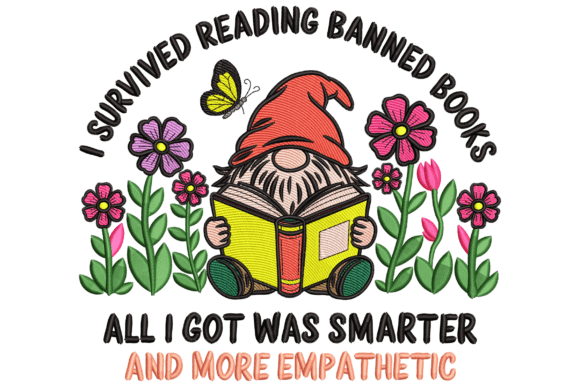
Banned Books Gnome: A Craft Fair Seller Review
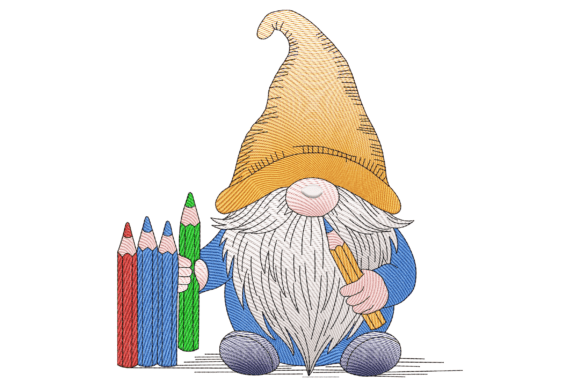
As an experienced embroidery designer preparing for a busy weekend craft fair, I evaluate every machine embroidery design through a specific lens: will this sell when a customer walks past my booth? When reviewing the Banned Books Gnome, my immediate assessment is that this design hits a lucrative intersection of trends. It combines the enduring popularity of garden gnomes with the intellectual, slightly rebellious niche of banned literature. For sellers targeting teachers, librarians, and avid readers, this is not just a cute graphic; it is a conversation starter. The description promises a "playful and whimsical touch," but from a production standpoint, I see a versatile asset that can anchor a cohesive product line for handmade markets.
First Impressions and Booth Appeal
Visually, the Banned Books Gnome strikes a balance between rustic charm and modern advocacy. In a sea of generic floral designs at a craft fair, this motif stands out because it tells a story. My first impression is that it feels approachable yet purposeful. It avoids being overly juvenile, making it appropriate for adult apparel and home decor, while retaining enough whimsy to appeal to younger audiences or school staff. For an Etsy seller or boutique maker, this design signals that your brand understands current cultural conversations. It does not look like a stock clip-art dump; it suggests a curated aesthetic. When displayed on a table, the juxtaposition of a traditional gnome figure with book-related iconography creates visual tension that stops shoppers in their tracks.
Best Performing Products for Market Sales
Not every embroidery file performs equally across all substrates. Based on the "School" category and the whimsical nature of this design, here is how I would prioritize production for a physical market:
- Tote Bag Design: This is likely your highest ROI item. Canvas totes provide a stable, flat surface ideal for detailed embroidery. The Banned Books Gnome works beautifully as a center chest or lower corner placement. Totes are high-traffic impulse buys at book fairs and teacher appreciation events.
- Tea Towel Embroidery: Flour sack towels are a staple handmade product. The gnome theme fits perfectly in a kitchen or reading nook. Because towels have texture, ensure the design has adequate underlay to prevent stitches from sinking into the fabric weave.
- Apron Embroidery: Targeting educators and home bakers, an apron featuring this design adds personality to functional wear. Place the gnome on the bib or the lower pocket area for maximum visibility.
- Embroidered Patch: If you want to offer a lower price point entry, digitize or resize this design specifically for patches. Patches allow customers to customize their own denim jackets or backpacks without committing to a full garment purchase.
- Caps and Hats: Proceed with caution here. While caps sell well, the curved surface can distort intricate details. Only use this design on caps if the digitizing is specifically optimized for headwear with proper pull compensation.
Production Practicality and Batch Efficiency
For a small shop product line, efficiency is key. The Banned Books Gnome appears to be a manageable size for batch production, but you must verify the specifics before hooping fifty blanks. As a designer, I always check the stitch density first. Whimsical designs often contain shading fills that can become bulletproof if too dense, or gappy if too sparse. Test the design on scrap fabric identical to your final product. If the gnome includes small text detailing specific book titles, ensure those letters remain legible after washing. Tiny lettering is the most common failure point in commercial embroidery.
Consider the hoop size required. A design that fits within a standard 4x4 or 5x7 hoop allows for faster re-hooping and less stabilizer waste compared to large format hoops. This directly impacts your profit margin per hour. Furthermore, evaluate the thread colors. Does the design require fifteen thread changes? At a craft fair prep stage, minimizing color changes speeds up production significantly. If the design uses complex variegated threads to achieve its "charming" look, factor in the extra time needed for careful trimming and cleanup.
Critical Technical Considerations
While the product description highlights versatility, real-world application requires technical diligence. Before listing any finished product, address these potential pitfalls:
- Fabric Texture Compatibility: The description mentions towels and t-shirts. These fabrics behave differently. On textured towels, use a water-soluble topping to keep the gnome’s details crisp. On stretchy t-shirt knits, use a cutaway stabilizer and consider a fusible backing to prevent puckering around the design perimeter.
- Contrast and Visibility: Dark fabrics can swallow detail. If embroidering the Banned Books Gnome on navy or black canvas, test whether the outline stitches provide enough separation. You may need to add a white underlay or adjust thread colors to maintain the "whimsical" definition against dark backgrounds.
- Scaling Limitations: Avoid resizing this design drastically. Reducing a complex gnome by 50% often results in thread breaks and lost details. Enlarging it may expose gaps in satin stitches. Always stick close to the original digitized size unless you have the source file and software to re-optimize the stitch path.
- Stabilizer Selection: Never rely solely on tear-away stabilizer for wearable items like aprons or shirts. The residual stiffness can irritate skin and distort the drape of the fabric. Use soft cutaway or poly-mesh for professional results that feel premium to the touch.
Marketing and Merchandising Strategy
The value of the Banned Books Gnome extends beyond the stitch count. It is a marketing hook. When creating printable mockups for online listings, photograph the design on lifestyle models rather than just flat lays. Show the tote bag being carried at a library; show the tea towel draped over a stack of classic novels. This contextualizes the design assets and helps buyers envision the product in their lives.
For booth displays, group products by theme rather than type. Create a "Reader’s Corner" vignette featuring the gnome-embroidered pillow covers, pouches, and apparel together. This cross-merchandising increases average transaction value. Clearly label items with tags that explain the connection to banned books or literacy advocacy, as this narrative layer justifies a higher price point for craft fair products.
Final Designer Verdict
The Banned Books Gnome is a strong contender for makers who understand their audience. It bridges the gap between decorative craft and meaningful expression. However, success depends entirely on execution. Do not assume the digital embroidery file is perfect out of the box. Verify licensing terms for commercial sale of finished goods. Run a sew-out on your actual selling substrate. Check registration marks and trim jumps meticulously. A sloppy finish undermines the "premium" feel necessary for handmade markets.
If you execute this design with attention to stabilizer choice, fabric compatibility, and thematic merchandising, it has the potential to be a bestseller. It offers the charm customers crave with the relevance that drives engagement. Just remember: in commercial embroidery, the difference between a hobbyist craft and a professional product lies in the testing phase. Treat this design with the technical respect it deserves, and it will reward your business with both sales and brand loyalty.