Color Pencil Gnome: A Craft Fair Best-Seller Review
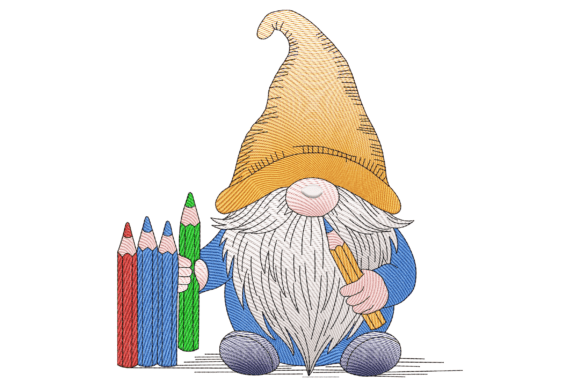
As an experienced embroidery designer preparing for a busy weekend craft fair, I am constantly evaluating which designs will translate from a digital screen to a profitable physical product. When reviewing the Color Pencil Gnome machine embroidery design, my immediate assessment focuses on its versatility and visual impact in a crowded market booth. This design captures a playful, artistic aesthetic that bridges the gap between whimsical nursery decor and trendy adult accessories. The "color pencil" texture suggests a softer, sketch-like quality rather than a rigid, cartoonish fill, which immediately elevates the perceived value of any finished product. For Etsy sellers and boutique makers, this distinction is crucial; it signals handmade artistry rather than mass production.
First Impressions and Booth Appeal
Standing at a booth table, customers have mere seconds to decide if an item warrants a closer look. The Color Pencil Gnome excels here because of its distinct personality. It does not feel overly seasonal, meaning it can remain in inventory year-round without feeling out of place. In a School category context, this design works beautifully for teacher appreciation gifts or back-to-school tote bags, yet it retains enough sophistication for general home decor. The artistic rendering implies creativity and warmth, making it an ideal focal point for items like tea towels and aprons where the design needs to be legible from a distance. Unlike dense, solid-fill gnomes that can look heavy on lightweight fabrics, the pencil-style stitching allows for better drape and a more premium hand-feel.
Best Product Applications for Market Sales
When planning my production run, I categorize designs by their best substrate. For the Color Pencil Gnome, I have identified several high-potential applications based on current market trends:
- Tote Bags and Market Bags: This is arguably the strongest application. The artistic style complements natural canvas and linen textures perfectly. As a tote bag design, it appeals to the eco-conscious shopper looking for something unique rather than generic.
- Kitchen Textiles: Tea towel embroidery and apron embroidery are staples at craft fairs. This gnome adds a lively touch to flour sack towels without adding excessive weight. The sketch-like lines mimic drawn art, which pairs exceptionally well with rustic or farmhouse kitchen aesthetics.
- Embroidered Patches: Because the design likely features defined edges suitable for a color pencil look, it translates well into patches. These are excellent low-cost add-ons at a booth or for digital sellers offering customizable denim jackets.
- Children’s Apparel and Accessories: Given the School category tag, this design is perfect for personalized backpacks, pencil cases, or teacher t-shirts. It strikes a balance that appeals to both children and the adults purchasing for them.
Production Practicality and Batch Efficiency
A beautiful design is useless if it causes production headaches during a rush order. From a commercial embroidery standpoint, the Color Pencil Gnome appears to be a reliable workhorse. Designs with a sketched or pencil effect often utilize running stitches and lighter satin columns, which generally results in faster run times compared to fully filled tatami designs. This efficiency is vital when producing batch quantities for a craft fair. Furthermore, the design’s readability at various sizes makes it repeatable across different hoop sizes. Whether you are hooping a small 4x4 area for a pocket accent or a larger field for a pillow cover, the integrity of the gnome’s character should remain intact. However, always verify the specific dimensions of your embroidery file before committing to a large production run.
Critical Technical Considerations
While the aesthetic is charming, technical execution determines whether a customer buys or walks away. There are specific cautions I must note when working with this type of stylized artwork:
- Fabric Texture Compatibility: Pencil-style details rely on precision. If embroidering on high-pile terry cloth or textured waffle weave, the fine lines may get lost. Always use a water-soluble topping to keep the stitches crisp and visible.
- Stitch Density Management: Check the stitch density in your software. If the pencil shading is achieved through dense layering, it may cause puckering on lightweight t-shirts or quilting cotton. Adjusting the underlay or reducing density slightly can prevent distortion.
- Thread Color Selection: The success of a "color pencil" look depends entirely on thread contrast. Do not rely solely on the digitizer's suggested palette. Test variegated threads to enhance the hand-drawn illusion, but ensure they do not clash with the base fabric.
- Small Detail Clarity: If resizing down for a cap or sleeve cuff, inspect tiny elements like facial features or pencil tips. These may need to be simplified or removed to prevent needle breaks and thread bunching.
Marketing and Visual Merchandising Strategy
Selling handmade products requires more than just good stitching; it requires smart presentation. The Color Pencil Gnome photographs exceptionally well due to its inherent texture. For Etsy sellers, this means your listing photos will naturally show depth and dimension, reducing the need for heavy editing. When creating printable mockups for digital sales, ensure the background texture mimics real fabric to maintain authenticity. At a physical booth, display this design on varying fabric colors to demonstrate versatility. A sample on unbleached canvas next to a sample on navy denim shows customers how adaptable the design is. This visual proof increases buyer engagement and justifies a higher price point for custom work.
Designer’s Pre-Production Checklist
Before listing this as a new craft fair product or updating your shop, adhere to this professional workflow to ensure quality and compliance:
- Test Stitch-Out: Never skip this step. Run the design on scrap fabric identical to your intended final product to check for registration issues or tension problems.
- Stabilizer Verification: Confirm you are using the correct stabilizer for the specific fabric. A cut-away might be necessary for stretchy knits, while tear-away suffices for stable canvas.
- Licensing Confirmation: Review the terms of the digital embroidery file. Ensure you have the appropriate commercial license to sell finished goods, especially if you plan to scale beyond local markets.
- Mockup Creation: Create at least one real-life photo mockup alongside digital renders. Customers trust what they can see stitched out.
- Color Matching: Physically compare thread colors against your fabric inventory. What looks good on a monitor may appear muddy against certain dye lots.
The Color Pencil Gnome represents a strong opportunity for creative entrepreneurs. Its blend of artistic charm and practical applicability makes it a standout choice for everything from school-themed gifts to high-end home decor. By approaching this design with a critical eye toward production stability and marketability, you can transform a simple embroidery file into a consistent revenue stream for your handmade business. Remember, in the world of machine embroidery, the most successful products are those where technical excellence meets undeniable visual appeal.