Earth Day Smile: A Craft Fair Seller’s Review
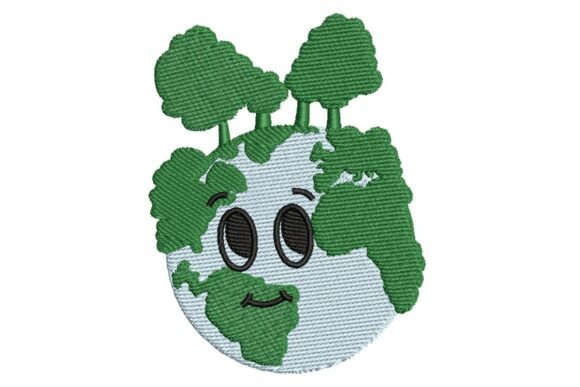
As an experienced embroidery designer preparing for a busy weekend craft fair, I approach every new machine embroidery design with a critical eye. It is not enough for a digitized file to simply look good on a computer screen; it must translate into a tangible, sellable handmade product that catches the attention of shoppers walking past a booth. When evaluating the "Earth Day Smile" design, featuring a cheerful planet with tree-topped continents, my immediate assessment focuses on its commercial viability for eco-conscious buyers and school-related events. This review breaks down how this specific embroidery file performs in real-world production and sales environments.
First Impressions and Visual Appeal
The first impression of Earth Day Smile is undeniably cute and accessible. Based on the description of a happy Earth with arboreal details, this design leans heavily into a soft, modern aesthetic rather than a rigid or overly traditional style. For a craft fair table, this is a significant advantage. Shoppers are often drawn to items that evoke positive emotion, and a smiling planet serves as an instant emotional hook. The visual mood is festive yet gentle, making it appropriate for a wide demographic ranging from young students to adult eco-activists.
From a design hierarchy perspective, the tree-topped continents suggest a level of detail that adds texture without overwhelming the viewer. This balance is crucial for small shop product lines where space is limited. The design feels premium because of its thematic specificity; it isn't just a generic globe, but a stylized character that tells a story. For Etsy seller listings, this distinct personality helps differentiate products in a saturated market. However, the success of this visual appeal relies entirely on execution. If the trees are too dense or the smile is poorly defined, the "cute" factor can quickly turn into a muddy mess on fabric.
Best Performing Products for Market Sales
When planning inventory for a market booth, I categorize designs by their best substrate. Earth Day Smile is versatile, but certain items will yield higher conversion rates.
- Tote Bag Design: This is arguably the strongest application. Canvas totes are staples at eco-friendly markets. The Earth Day Smile design works beautifully as a center chest or lower-corner accent on natural cotton canvas. The contrast of green and blue threads against unbleached fabric creates high visibility from a distance.
- Tea Towel Embroidery: Kitchen linens are high-volume sellers. Because this design celebrates nature, it fits perfectly in the farmhouse or eco-kitchen niche. Flour sack towels provide a smooth surface for the tree details, ensuring the stitch definition remains crisp.
- Apron Embroidery: For gardening enthusiasts or teachers, an apron featuring this cheerful planet adds a personalized touch. Placing the design on the bib or lower pocket area makes it a focal point without interfering with the garment's function.
- Embroidered Patch: Given the "School" category association, creating iron-on or sew-on patches is a strategic move. Students and teachers can customize backpacks or jackets. Patches allow for batch production and low-risk inventory testing.
- Fabric Pouches and Zipper Bags: Small zipper pouches are excellent impulse buys. The compact nature of a smiling earth fits well within a 4x4 hoop, making these quick to produce and easy to price competitively.
Production Practicality and Batch Efficiency
For commercial embroidery workflows, time is money. Earth Day Smile appears to be designed for efficiency, but verification is key. The combination of fill stitches for the planet and likely satin or running stitches for the trees requires careful stabilizer selection. On a production run of twenty tote bags, consistency is paramount. I recommend testing the stitch density on scrap fabric first. If the trees are too dense, they may cause puckering on lighter weight tea towels. Conversely, if they are too sparse, the design may lack durability after washing.
Photographing this design for online listings requires attention to lighting. The "smile" element needs to be clearly visible in thumbnails. A flat lay on a textured wooden background enhances the rustic, eco-friendly vibe, while a lifestyle shot on a model wearing the apron demonstrates scale. For printable mockup creation, ensure the digital representation accurately reflects the thread sheen and texture. Customers need to trust that the physical item matches the digital preview. Additionally, always confirm the hoop size requirements before committing to a bulk order of blanks. Knowing whether this fits a standard 4x4 hoop or requires a larger field dictates your profit margins and production speed.
Critical Use Notes and Technical Warnings
While Earth Day Smile is charming, technical pitfalls exist. As a professional, I advise caution in the following areas:
- Textured Fabrics: Avoid using this design on terry cloth or heavy fleece unless you use a water-soluble topping. The fine details of the trees and the facial expression will get lost in the pile, resulting in a product that looks unfinished.
- Curved Surfaces: If applying this to caps, be aware that the spherical shape of the earth may distort on the curved brim. Test on a cap frame specifically to ensure the smile doesn't warp.
- Small Lettering: If the design includes any text like "Earth Day," verify the minimum size. Tiny lettering often fails on coarse fabrics. If scaling down below 3 inches, consider removing text elements entirely to preserve clarity.
- Dark Fabrics: The design likely utilizes bright greens and blues. On dark navy or black fabric, you may need to add a white underlay base to prevent the fabric color from bleeding through the stitches, which increases stitch count and production time.
- Stabilizer Choice: Do not rely solely on tear-away stabilizer for stretchy knits. Use a cut-away to prevent the smiling face from distorting when the wearer moves.
Designer Checklist for Commercial Success
Before listing Earth Day Smile as a finished product or selling the digital embroidery file, run through this professional checklist to protect your brand reputation:
- Test Stitch-Out: Never skip this step. Verify registration between the planet outline and the tree fills.
- Thread Contrast Check: Ensure the green of the trees is distinct from the blue of the ocean. Low contrast reduces readability at a glance.
- Licensing Verification: Confirm the commercial license terms. Some designers restrict the sale of digital files or limit the number of physical units sold. Always respect design assets intellectual property.
- Fabric Color Matching: Test on multiple fabric colors. What looks vibrant on white might look dull on beige.
- Mockup Creation: Create at least one real-photo sample. Digital renders do not capture stitch texture, and customers value authenticity.
- Category Alignment: Since this falls under "School," consider bundling it with teacher appreciation gifts or classroom decor items to maximize relevance.
Final Verdict for Handmade Entrepreneurs
Earth Day Smile holds strong potential for craft fair sellers and boutique makers. Its blend of environmental messaging and approachable aesthetics makes it a reliable performer for spring markets, school fundraisers, and eco-gift shops. By focusing on high-contrast applications like tote bags and tea towels, and by adhering to strict quality control regarding stitch density and fabric choice, this design can become a staple in your finished product lineup. Remember, the value of a craft fair product lies not just in the design itself, but in the thoughtful execution and presentation that convinces a passerby to stop, smile back, and make a purchase. Always check the specific file details provided by the digitizer regarding formats and sizes to ensure seamless integration into your production workflow.