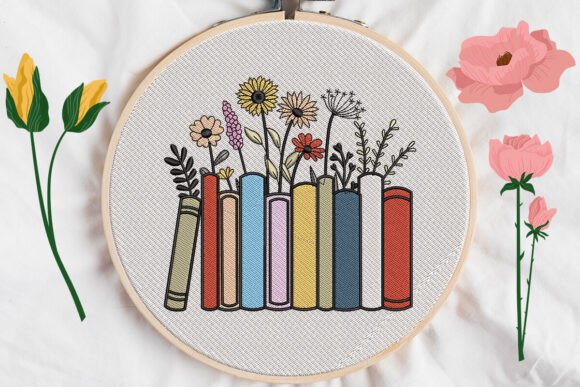
Books Flower: A Craft Fair Embroidery Review
As an embroidery designer preparing for a weekend craft fair, I am constantly evaluating which designs will actually move inventory. It is not enough for a machine embroidery design to look pretty on a screen; it must translate into a tangible product that catches the eye of a passerby and justifies a price point. When reviewing the "Books Flower" concept for my upcoming market booth, I approached it with a critical eye toward production efficiency, visual appeal, and commercial viability. This review breaks down how this specific motif performs in a real-world selling environment, specifically for sellers targeting the school, academic, or literary niche.
First Impressions: Whimsical Academia Meets Market Trends
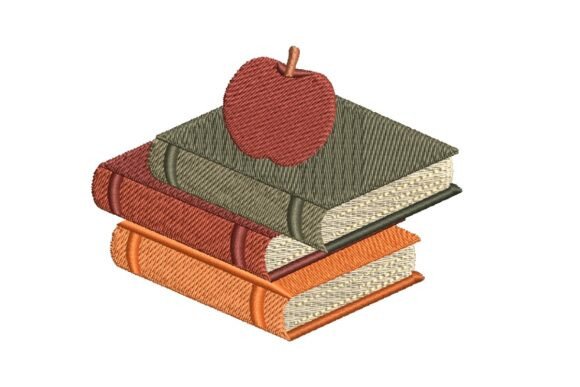
My immediate reaction to Books Flower is that it strikes a delicate balance between nostalgic academia and modern cottagecore aesthetics. It does not feel stuffy or overly traditional, which is crucial for attracting younger buyers at handmade markets. The combination of literature and botanical elements suggests a "dark academia" or "cozy reader" vibe that is currently trending heavily among Etsy seller communities and boutique shoppers.
For a craft fair product, this duality is a massive asset. It appeals to teachers and librarians looking for professional yet personal gear, while simultaneously attracting students and book lovers who want aesthetic accessories. The design feels cheerful and artistic, as described, but also carries enough structural weight to look premium rather than childish. In a sea of generic florals or plain text, Books Flower offers a narrative element that invites customers to stop and look closer.
Top Performing Products for Booth Displays
When planning my table layout, I have to prioritize items where Books Flower will have the highest conversion rate. Based on the motif's characteristics, here is how I evaluate its application across different blanks:
- Tote Bag Design: This is arguably the strongest contender. Canvas tote bags are staple sellers at markets. Books Flower works beautifully as a centered focal point on natural cotton canvas. The contrast of colored threads against unbleached fabric highlights the intricate details of both the book spines and floral stems.
- Tea Towel Embroidery: Flour sack towels are excellent for this design. Because the motif combines organic shapes (flowers) with geometric lines (books), it complements the utilitarian nature of kitchen linens without looking like a dish rag. It elevates the towel to a giftable handmade product.
- Apron Embroidery: For teacher appreciation gifts or librarian staff wear, placing this design on the chest pocket area of an apron creates instant brand identity. It serves as a conversation starter and adds significant perceived value to the garment.
- Embroidered Patch: If you have limited hoop space or want to offer lower-priced entry items, digitizing or resizing Books Flower into a patch format is smart. Patches allow customers to customize their own denim jackets or backpacks later, extending the life of your design assets.
Production Reality: Stitch Density and Fabric Texture
A beautiful digital embroidery file can quickly become a production nightmare if technical constraints are ignored. Books Flower likely contains varying stitch types, from satin stitches for flower petals to fill stitches for book covers. As a designer, I must be vigilant about stitch density. If the books are rendered with heavy fill stitches and the flowers are dense satin, running this on lightweight t-shirts could cause puckering or distortion.
For textured fabrics like terry cloth towels or waffle weave, the fine details of flower stamens or book titles might get lost. In these cases, I would recommend using a water-soluble topping to keep the stitches crisp. Conversely, on smooth cotton or linen, the design should sing. Always check the specific hoop size requirements before committing to a bulk run; a design that barely fits a 5x7 hoop leaves no margin for error during alignment.
Batch production feasibility is high for this motif because it likely uses a standard color palette. Earth tones, muted greens, and vintage reds are versatile thread colors that do not require frequent thread changes, keeping machine runtime efficient during pre-fair prep.
Visual Merchandising and Online Appeal
At a physical booth, Books Flower has strong "stop power" because it tells a story. However, for those also managing an online shop, this design photographs exceptionally well. The mix of hard and soft lines creates visual interest in thumbnails. When creating a printable mockup or listing photo, ensure the lighting captures the texture of the embroidery. Flat-lay photos with actual books and dried flowers as props reinforce the theme and help customers visualize the finished item in their own lives.
For commercial embroidery businesses, this design supports brand consistency. It is distinct enough to be recognizable as part of a collection but versatile enough to apply across multiple categories. Whether sold as a standalone small shop product or part of a bundled set, it maintains a cohesive aesthetic that builds customer trust.
Critical Use Notes and Designer Warnings
While Books Flower is a winner, there are specific scenarios where caution is required:
- Small Lettering Risks: If the design includes tiny text on the book spines, test extensively. Text under 4mm often becomes illegible after washing. Consider removing micro-text for smaller applications like caps or pouches.
- Curved Surfaces: Embroidering this on caps requires careful hooping. The rigid structure of books may distort on a curved brim. Test on a scrap cap first or reserve this design for flat surfaces only.
- Dark Fabrics: Intricate floral details can disappear on navy or black fabric unless you use high-contrast threads or a light underlay. Verify visibility before stitching a full batch of dark tote bags.
- Stabilizer Selection: Do not skimp here. Cut-away stabilizer is non-negotiable for stretchy knits to prevent the books from warping. Tear-away may suffice for woven tea towels, but always verify tension.
Final Pre-Fair Checklist for Sellers
Before loading the embroidery file for mass production, complete this validation process:
- Test Stitch Out: Never skip this. Run Books Flower on the exact fabric you intend to sell. Check for registration issues between the book outlines and floral fills.
- Verify Licensing: Confirm your finished product rights. Ensure the license allows for commercial sale of embroidered goods at craft fairs and online platforms.
- Mockup Validation: Create at least one physical sample to photograph. Digital mockups are useful, but customers at markets want to see real stitch quality.
- Color Fastness: Wash your test sample. Ensure vibrant reds or greens do not bleed onto lighter book pages or background fabric.
- Pricing Strategy: Calculate time based on actual stitch count and trims. Books Flower may have more stops due to color changes; factor this labor cost into your handmade product pricing.
Books Flower represents a fantastic opportunity for creative entrepreneurs to tap into the enduring love of reading and nature. By respecting the technical demands of the machine embroidery design and strategically applying it to high-value blanks, you can turn this digital asset into a bestseller at your next market. Remember, successful selling is equal parts artistry and engineering; treat this design with the technical care it deserves, and it will reward you with engaged customers and profitable sales.