Minimalist ITH Bookmark: A Craft Fair Review
As an experienced embroidery designer preparing for a weekend craft fair, my evaluation of any new machine embroidery design goes far beyond how it looks on a computer screen. The true test is whether a design translates into a profitable, high-quality handmade product that catches the eye of a shopper walking past a crowded booth. When reviewing the Minimalist ITH Bookmark, I am looking at its potential not just as a standalone accessory, but as a versatile asset for a broader product line targeting students, readers, and journal enthusiasts within the School category.
First Impressions: Elegant Simplicity for Modern Makers
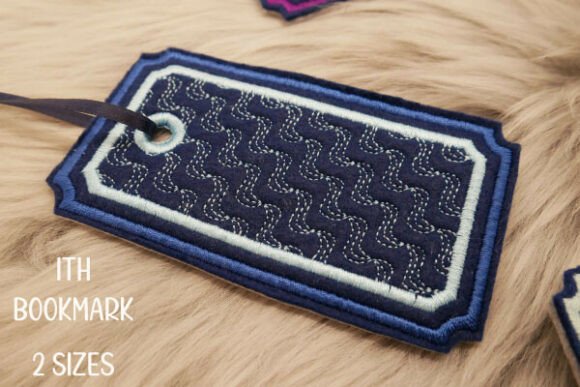
The first impression of the Minimalist ITH Bookmark is undeniably soft, modern, and elegant. In a market often saturated with bold, dense designs or overly complex graphics, this design offers a breath of fresh air. The description highlights a gentle abstract pattern made from delicate running stitches, which immediately signals a premium aesthetic. For an Etsy seller or boutique maker, this minimalist approach is strategically sound. It appeals to customers seeking sophisticated, understated accessories rather than novelty items.
From a production standpoint, the reliance on running stitches suggests a lightweight feel and faster stitch-out times compared to heavy satin or fill stitches. This is crucial for batch production before a market. However, "delicate" also demands precision. As a designer, I see this as a piece that communicates high-end handmade quality, provided the tension is perfect. It feels less like a generic school supply and more like a curated gift item, bridging the gap between functional stationery and textile art.
Strategic Product Placement Beyond the Page
While the primary function is clearly a bookmark, an experienced commercial embroidery business owner knows that maximizing ROI requires versatility. How does this design perform when adapted for other inventory? The abstract nature of the pattern allows it to transcend its original purpose.
- Tote Bag Design: Placed near the bottom corner or centered on a canvas tote, this minimalist motif acts as a subtle branding element. It pairs exceptionally well with natural linen or cotton fabrics, reinforcing an organic, scholarly vibe perfect for book lovers.
- Tea Towel Embroidery: Running stitches are ideal for tea towels because they do not create a stiff, bulky area that hinders drying. A set of minimalist bookmarks paired with a matching tea towel creates a cohesive gift bundle that increases average order value.
- Apron Embroidery: For a reading-themed cafe apron or a librarian gift, this design serves as a tasteful pocket accent. Its small scale ensures it doesn't overwhelm the garment while adding a touch of personalized charm.
- Fabric Pouches and Journal Covers: This is where the design truly shines as a value-add. Using the same abstract pattern on zipper pouches or composition book covers creates brand consistency across your booth display.
For those selling digital embroidery files, marketing this design as multi-purpose increases its perceived value. Buyers want assets they can use across various projects, and this abstract pattern fits that need perfectly.
Production Practicality and Booth Display Strength
When setting up a table display featuring embroidered patches, caps, and pillow covers, visual hierarchy is key. The Minimalist ITH Bookmark serves as an excellent "filler" product that draws customers in without competing with larger, higher-priced focal items. Because it is created entirely in-the-hoop (ITH), it streamlines production. There is no cutting, sewing, or turning required after the machine finishes, making it one of the most efficient items to manufacture in bulk.
Photographing minimalist designs for online listings can be challenging due to low contrast, but it also offers opportunities for stunning lifestyle photography. A printable mockup showing the bookmark tucked inside a vintage hardcover or resting on a textured wooden desk sells the mood effectively. At a physical craft fair, these items should be displayed vertically or fanned out to show the movement of the abstract lines. Their small size makes them perfect for impulse buys at the checkout point or as add-ons to larger purchases like tote bags or aprons.
Critical Use Notes for Delicate Stitch Work
Despite its simplicity, this design carries specific risks that every small shop product creator must manage. Running stitches are unforgiving; there is nowhere to hide poor registration or tension issues.
- Fabric Texture Matters: Avoid highly textured towels or thick nubby fabrics for this specific design. The delicate lines will get lost in the weave. Opt for smooth cottons, linens, or tight-weave canvas to ensure the abstract pattern remains crisp.
- Stitch Density and Tension: While running stitches are light, verify the stitch density. If the stitches are too long, they may snag; if too short, the fabric may pucker. Test on scrap fabric identical to your final product.
- Thread Colors and Contrast: Minimalism relies on visibility. Tone-on-tone embroidery can look luxurious but may fail to photograph well or stand out at a distance. Ensure sufficient contrast between thread and fabric so the abstract pattern reads clearly from three feet away.
- Stabilizer Selection: Even for lightweight designs, proper stabilization is non-negotiable. Use a tear-away or cut-away stabilizer appropriate for your fabric weight to prevent distortion during the ITH process.
- Size Limitations: Do not resize this design significantly smaller than intended. Delicate running stitches can turn into dots or disappear entirely if reduced below a certain threshold, ruining the abstract effect.
Designer’s Checklist Before Market Day
Before listing this as a craft fair product or uploading the embroidery file to your shop, run through this professional checklist. These steps separate hobbyists from established brands.
- Verify Hoop Size Compatibility: Confirm the design fits your smallest hoop to maximize efficiency. Always check the specific dimensions in the file details before purchasing or stitching.
- Create Physical Mockups: Never rely solely on digital previews. Stitch at least one real sample on your intended selling fabric to assess drape, hand-feel, and visual appeal.
- Check Commercial Licensing: If you are buying this as a digital embroidery file, confirm the license allows for finished product sales. Some designers restrict ITH files to personal use only.
- Test Wash Durability: Since bookmarks and tea towels may encounter wear, wash your test sample to ensure the running stitches hold up and the fabric doesn't distort around the embroidery.
- Assess Batch Consistency: Stitch three to five units consecutively to ensure your machine maintains consistent tension throughout a production run.
Enhancing Brand Value Through Thoughtful Design
The Minimalist ITH Bookmark represents more than just a quick stitch-out; it is a strategic tool for building a cohesive brand identity. For creative entrepreneurs in the School and stationery niche, this design offers a way to introduce textile products that complement paper goods. It elevates the perceived value of your booth by showing attention to detail and an understanding of current aesthetic trends.
Ultimately, the success of this design lies in execution. By respecting the delicacy of the running stitches, choosing appropriate substrates, and positioning it as part of a curated collection rather than a standalone trinket, you transform a simple design asset into a reliable revenue stream. Whether sold individually, bundled as a gift set, or used to enhance larger items like tote bags and aprons, the Minimalist ITH Bookmark proves that in embroidery, sometimes less truly is more.