Melting Earth: A Designer’s Stitch-Out Review
When I first loaded the Melting Earth machine embroidery design into my software, I wasn't just looking for a cute graphic; I was evaluating its structural integrity for commercial production. As someone who runs a small embroidery business and supplies digital assets to other makers, I know that a whimsical concept can quickly turn into a production nightmare if the digitizing isn't sound. This design falls under the School category, but its appeal is far broader than just classroom decor. It carries a playful, eco-conscious vibe that translates beautifully to modern merchandise, provided you understand how to handle its unique visual weight.
First Impressions and Visual Personality
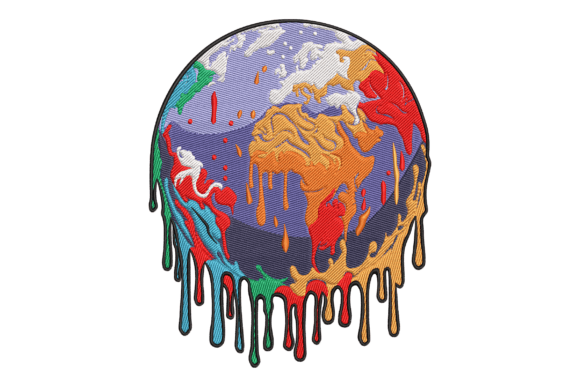
The immediate mood of Melting Earth is nostalgic yet urgent. It strikes a balance between cartoonish charm and a subtle environmental message, making it versatile for various demographics. Visually, the layout suggests a mix of fill stitch areas for the globe itself and likely satin stitch or running stitch elements for the "melting" drips and facial features. This combination is crucial because it prevents the design from becoming a solid block of thread, which can make garments stiff and uncomfortable.
For an Etsy seller or boutique owner, this personality is gold. It doesn't look like generic clip art; it has character. However, as a reviewer, I immediately started thinking about contrast. The success of this embroidery file relies heavily on your thread color choices against the base fabric. If you are stitching this on a navy sweatshirt, standard blue thread for the ocean might disappear. You would need to adjust the palette to lighter teals or whites to maintain definition. Always preview your digital embroidery file in black and white before stitching to ensure the values hold up without relying solely on color differentiation.
Real-World Application: The Eco-Tote Test
To truly evaluate Melting Earth, I approached it with a specific project in mind: a custom embroidered tote bag for a local earth day market. Tote bags are fantastic canvases because they offer a flat, stable surface, but they also endure significant wear and tear. I wanted to see if the design could withstand the rigors of daily use while maintaining its whimsical touch.
During the test stitch-out on canvas, the design performed admirably, but it required attention to stabilizer choice. Because the "melting" aspect implies fluid shapes, there is a risk of puckering if the fabric isn't supported correctly. I used a medium-weight cutaway stabilizer rather than tear-away to ensure long-term stability. The result was a crisp, professional finish that didn't distort when the bag was filled with groceries. For craft business owners, this durability is key. A finished product that warps after one wash destroys customer trust. By treating Melting Earth as a premium asset and stabilizing accordingly, the perceived value of the handmade product increases significantly.
Navigating Fabric Textures and Garment Types
While the tote bag test was successful, applying this design to apparel requires more nuance. If you are planning sweatshirt embroidery or custom apparel for a school event, you must consider the fabric texture. Fleece and terry cloth can swallow fine details. If Melting Earth includes tiny text or intricate facial expressions, those elements might get lost in the pile of a thick hoodie.
In these cases, I recommend using a water-soluble topping to keep the stitches sitting on top of the fabric nap. Conversely, if you are working with thin, stretchy knits for baby embroidery or lightweight tees, the stitch density becomes the primary concern. A dense design on thin jersey can cause the fabric to sag or tear. Always check the technical specifications of your embroidery file before purchasing. If the density seems high for your intended fabric, consider resizing the design slightly larger to open up the stitch spacing, or choose a heavier weight garment.
Critical Considerations for Small Hoops and Caps
One area where caution is necessary is curved surfaces like caps or small hoop sizes. The organic shape of a melting globe does not always translate well to the restricted vertical space of a hat frame. Before committing to cap production, verify the dimensions. You may need to rotate or modify the layout to fit the curve without distorting the planet's proportions. Similarly, for baby clothes or sleeve cuffs, ensure the design scales down cleanly. Some complex fills break apart when reduced below 60% of their original size. Test on scrap fabric first to confirm that the registration holds and no jump stitches become problematic at smaller scales.
Commercial Viability and Brand Consistency
For creative entrepreneurs selling digital product previews or printable mockups, Melting Earth offers excellent marketing potential. Its distinct silhouette reads well even in low-resolution thumbnails, which drives click-through rates. However, consistency is vital. If you use this design across multiple products—from patches to pillow covers—maintain a cohesive thread color palette. This builds brand recognition and makes your shop look curated rather than chaotic.
When creating personalized gifts or holiday embroidery items, consider how the design interacts with personalization. Does Melting Earth leave adequate negative space for adding a name or date? If not, you might need to position the text below or arch it above the globe. Planning this layout in your software before hooping saves time and prevents wasted materials. Remember, buyers engage with products that look intentionally designed, not hastily assembled.
Practical Designer Notes for Success
Based on my evaluation, here are practical steps to ensure your projects with Melting Earth succeed:
- Verify Licensing: Before listing any finished product or reselling the digital embroidery file, confirm the specific license terms. Commercial embroidery rights vary by designer, and protecting your business starts with compliance.
- Stabilizer Matching: Do not rely on a one-size-fits-all approach. Use cutaway for knits and stretchy fabrics to prevent distortion of the melting drips. Use tear-away only for stable, woven fabrics like denim or canvas.
- Contrast Testing: Always run a grayscale simulation. If the design lacks contrast in black and white, adjust your thread colors to create artificial value separation. This ensures clarity on both light and dark backgrounds.
- Mockup Accuracy: When creating printable mockups for your Etsy listings, use realistic fabric textures. Showing Melting Earth on a flat vector background doesn't tell the customer how it actually looks on a textured towel or fleece sweatshirt.
- Wash Testing: If selling tea towels or baby items, wash and dry your sample piece three times before selling. Check for thread shrinkage or stabilizer residue. Your customers expect durability, especially for items labeled as school or kid-friendly.
Final Verdict on Production Value
Melting Earth is more than just a seasonal novelty; it is a robust design asset with strong commercial potential for those willing to respect the technical requirements of machine embroidery. Its whimsical nature invites creativity, but its successful execution demands professional judgment. Whether you are an apparel decorator fulfilling a bulk order for a science club or a hobbyist making a personalized gift for an eco-conscious friend, this design delivers personality and charm.
By approaching this embroidery project with a focus on proper stabilization, fabric compatibility, and color contrast, you elevate the final result from a simple stitched graphic to a high-quality, sellable product. Take the time to test, adjust, and refine your process. The extra effort put into understanding the nuances of this design will pay off in customer satisfaction, repeat business, and the pride of creating something truly well-made.