Retro Computer: A Designer’s Sweatshirt Review
As an embroidery designer preparing a limited capsule collection for a boutique brand, selecting the right artwork is about more than just aesthetics; it is about translation. Translating a digital concept into thread requires a critical eye for density, color interaction, and fabric compatibility. When evaluating the Retro Computer machine embroidery design for our upcoming premium sweatshirt drop, my primary focus was on how this vintage desktop computer motif translates from screen to textile. This review breaks down the practical application of this design for fellow Etsy sellers, apparel decorators, and creative entrepreneurs looking to add a touch of geek-chic nostalgia to their inventory.
First Impressions: Mood and Stitching Personality
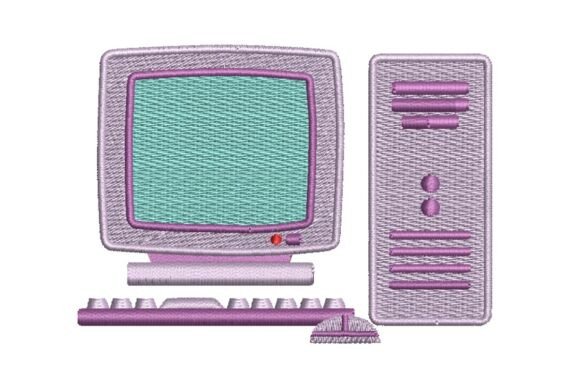
The immediate appeal of Retro Computer lies in its specific color palette. The description highlights pastel colors, which signals a distinct departure from the harsh, high-contrast neon often associated with tech-themed embroidery. For a boutique brand targeting a demographic that appreciates both 90s themes and modern soft aesthetics, this color choice is strategic. Upon reviewing the design assets, the mood feels playful yet refined. It strikes a balance between masculine tech nostalgia and feminine softness, making it versatile for unisex oversized hoodies or cropped crewnecks.
In terms of stitching personality, this design avoids looking like a stiff patch. The use of pastels suggests a lighter stitch density, which is crucial when working with cozy seasonal apparel. Heavy, dense designs can cause sweatshirts to pucker or feel like armor against the chest. Retro Computer appears to respect the drape of the garment. For a handmade product, this "soft hand" feel is a major selling point. Customers expect premium comfort, and a design that integrates seamlessly with the fabric texture rather than sitting aggressively on top of it builds immediate buyer trust.
Strategic Placement for Custom Apparel
When planning a commercial embroidery run, placement dictates perceived value. Retro Computer offers excellent flexibility for various garment real estate. For a standard school category aesthetic or collegiate-inspired shop, center chest placement on a neutral sweatshirt creates a classic, readable focal point. However, for a more contemporary boutique vibe, I recommend testing this design as a left-chest logo size or even as a sleeve accent near the cuff.
The versatility of this hoodie design extends to back prints as well. If you are creating a statement piece, scaling the design up for the back while keeping the front minimal can create a high-value tiered pricing structure in your Etsy listings. Because the theme bridges the gap between retro tech and fashion, it works exceptionally well for lifestyle product photography. Imagine this design embroidered on a heather grey or cream fleece, photographed in a natural light setting with vintage peripherals as props. This visual storytelling enhances the digital embroidery file's inherent charm and helps customers visualize the finished product in their own wardrobes.
Technical Considerations: Density and Stabilizer
For small shop owners and machine embroidery enthusiasts, technical execution is where profit margins are protected. Before hooping a single premium sweatshirt, you must verify the specifics of the embroidery file. While the design comes with multiple formats, always check the stitch count and recommended hoop size against your machine’s capabilities and your garment’s printable area.
Fabric Texture and Stabilizer Choice: Sweatshirt fleece varies wildly in weight and stretch. When embroidering Retro Computer on plush, high-pile fabrics, a cutaway stabilizer is non-negotiable to prevent the stitches from sinking into the nap. For lighter French terry, a medium-weight tear-away might suffice, but test first. The pastel thread colors mentioned in the product description require careful attention to contrast. Pastel threads on white fabric can disappear, while pastels on black fabric can look chalky if not backed properly. I recommend using a sheer mesh topping for dark fabrics to keep the stitches crisp and vibrant without leaving residue.
Thread Color Management: Since this is a vintage desktop computer theme, color accuracy matters. Ensure your thread palette matches the intended 90s aesthetic. Muted teals, soft pinks, and creamy beiges work better than saturated primaries for this specific geek-chic look. If you are outsourcing production, provide physical thread samples to your commercial embroidery partner to ensure the pastel tones remain consistent across the entire batch.
Elevating Brand Identity and Product Value
Incorporating Retro Computer into your lineup does more than fill a product slot; it reinforces a cohesive brand identity. For shops focusing on niche interests like tech history, coding education, or retro gaming, this design serves as a visual shorthand that resonates deeply with that community. It transforms a basic blank sweatshirt into a conversation piece. This emotional connection is what drives engagement on social media and reduces return rates, as buyers feel understood by the brand.
Furthermore, offering a design that caters to the "School" category allows for seasonal relevance during back-to-school periods or university homecoming events, without being overtly scholastic. It appeals to computer science students, IT professionals, and vintage collectors alike. By positioning this as a premium, thoughtfully curated item rather than generic clip-art merchandise, you justify a higher price point. The quality of the stitch-out directly reflects on your reputation as an Etsy seller or boutique owner. A clean, well-stabilized application of Retro Computer signals professionalism and care.
Production Checklist for Boutique Success
Before launching this design in your shop, run through this essential evaluation list to ensure commercial viability:
- Mockup Accuracy: Create a printable mockup that accurately represents the scale of the design relative to the sweatshirt size. Oversized hoodies require larger designs to avoid looking disproportionate.
- Wash Testing: Always wash-test a sample. Pastel threads can sometimes bleed or fade differently than darker dyes. Verify that the embroidery holds up to standard laundering without excessive fraying.
- File Verification: Confirm that the digital embroidery file format matches your machine or your contractor's requirements. Never assume compatibility based solely on the product title.
- Contrast Check: Test the design on at least three different fabric colors (light, medium, dark) to ensure readability and aesthetic appeal across your potential colorway offerings.
- Licensing Review: Double-check the license terms included with the design assets to confirm you have the rights to sell finished products commercially.
Final Verdict for Creative Entrepreneurs
Retro Computer stands out as a strong contender for modern apparel decoration because it understands the current market desire for nostalgic comfort. It avoids the sterile look of pure tech graphics and embraces the warmth of handmade craftsmanship. For the experienced embroiderer, it offers enough detail to be interesting without being a digitizing nightmare. For the business owner, it targets a passionate niche with broad aesthetic appeal.
Whether you are stocking a physical boutique or managing a print-on-demand style embroidery business, this design has the potential to become a staple bestseller. Its success will ultimately depend on your execution—specifically your choice of blanks, stabilizer, and thread quality. Treat this machine embroidery design with the same respect you would give a complex logo, and it will reward you with a finished product that feels authentic, premium, and undeniably cool. Remember to always validate the technical specs provided with the file before mass production to ensure your vision matches the reality of the stitch-out.