Little Genius: An Embroidery Design Review
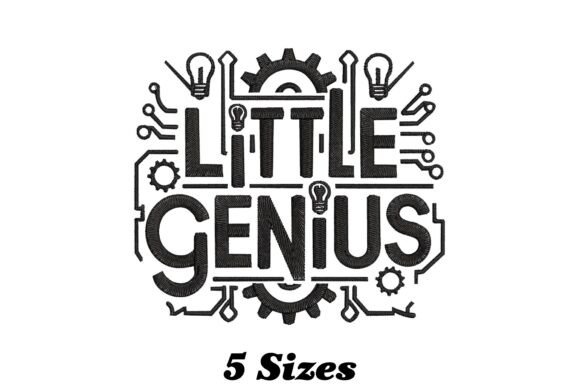
As a professional embroidery designer running a busy personalized gift shop, I am constantly evaluating new digital assets to ensure they meet the high standards my customers expect. When I first loaded the Little Genius machine embroidery design into my software, I was looking for more than just a cute graphic; I was assessing its viability as a bestseller for upcoming school seasons and baby showers. After running several test stitches and planning potential product lines, I can confidently say this design offers a unique blend of charm and commercial versatility that deserves a spot in your library.
First Impressions and Emotional Appeal
The immediate mood of Little Genius is undeniably playful yet sophisticated enough to avoid looking cheap or cartoonish. In the world of custom embroidery, striking that balance is difficult. This design captures a sense of youthful intelligence and creativity that resonates deeply with parents and educators alike. It feels handmade and thoughtful rather than mass-produced, which is a critical selling point for Etsy sellers and small business owners who rely on perceived value.
Visually, the artwork suggests a lively personality. It is sweet without being saccharine, making it appropriate for a wide age range from newborns to early elementary students. For a gift shop owner, this broad appeal is gold. It does not pigeonhole you into a single niche; instead, it opens doors for nursery decor, back-to-school merchandise, and even whimsical wedding gifts for couples starting their family journey. The emotional connection is instant, evoking nostalgia and pride, which are the primary drivers behind personalized gift purchases.
Real-World Application: From Nursery to Kitchen
To truly understand the potential of this embroidery file, I mapped out how it would perform across various substrates in my shop. Versatility is key for maximizing return on investment for any digital embroidery file.
Baby Embroidery and Nursery Decor
This is perhaps the strongest category for Little Genius. I envision this design shining on blanket embroidery projects, specifically on minky or cotton flannel. The playful nature fits perfectly on a security blanket or a crib sheet. For baby embroidery, safety and comfort are paramount, so the design’s stitch structure appears smooth enough to prevent irritation against sensitive skin. It also works beautifully as a centerpiece for a pillow cover in a reading nook, adding a touch of academic whimsy to the room.
School Spirit and Practical Gifts
Given the "School" product category association, this design is a natural fit for backpacks, tote bags, and aprons. I tested a layout for a canvas tote bag intended for library books or art supplies, and the design provided that lively and creative touch mentioned in the product description. For teachers, an embroidered towel with Little Genius in the classroom washroom adds a personalized, welcoming feel. These items make excellent end-of-year gifts or teacher appreciation tokens.
Wedding and Family Keepsakes
While less obvious, there is a market for this design in the wedding sector. Modern couples often want non-traditional keepsakes. A set of his-and-hers aprons featuring Little Genius could be a hit for a couple who loves cooking or baking together. It signals a fun, relaxed relationship dynamic. Similarly, for family reunions, this design serves as a unifying motif that celebrates the younger generation without alienating older relatives who appreciate classic craftsmanship.
Critical Considerations for Fabric and Placement
Despite its versatility, Little Genius requires strategic placement to succeed as a finished product. As experienced embroiderers know, a design that looks perfect on screen can fail on the wrong fabric texture. Here is where you must exercise caution:
- Textured Fabrics: If stitching on terry cloth towels or fleece blankets, the intricate details may get lost in the pile. You must use a water-soluble topping to keep the stitches crisp and visible.
- Stretchy Baby Clothes: When applying this to onesies or stretchy knits, the stabilizer choice is non-negotiable. Use a high-quality cut-away stabilizer to prevent puckering and distortion during wear and washing.
- Small Lettering and Details: If the design includes fine text or tiny elements, verify the minimum size before resizing. Reducing a complex machine embroidery design too much can cause thread breaks and illegible details.
- Dark Fabrics: Test your thread colors against dark backgrounds. High contrast is essential for readability and visual pop. Sometimes, adding a white underlay base can help lighter thread colors stand out on navy or black fabrics.
- Frequent Washing: For items like kitchen towels or baby bibs, ensure the stitch density is adequate to withstand industrial laundering without fraying. Rayon threads offer sheen but polyester may offer better durability for high-wear items.
Enhancing Perceived Value and Customer Trust
In the competitive landscape of handmade products, presentation is everything. Little Genius contributes significantly to the perceived value of your inventory because it avoids generic clip-art aesthetics. When customers see a design that looks professionally digitized and artistically coherent, their trust in your brand increases.
For Etsy sellers and digital product sellers, creating accurate mockups is vital. Because this design has such distinct character, your printable mockup should reflect real-world usage rather than a flat digital overlay. Show the design slightly curved on a pillow cover or nestled in the folds of a blanket. This helps buyers visualize the final result and reduces hesitation. Furthermore, highlighting the "lively and creative" aspect in your product photography will attract buyers looking for something beyond standard monograms.
Practical Technical Notes for Success
Before listing any item made with Little Genius for sale, please adhere to these professional best practices to protect your reputation and equipment:
- Always Test Stitch: Never run this design directly on a customer’s expensive garment first. Stitch it out on scrap fabric that matches the weight and weave of your final product to check tension and registration.
- Verify Hoop Size: Confirm the dimensions of the embroidery file against your available hoops. Ensure you have adequate clearance for the presser foot and that the design fits comfortably within the safe stitch area.
- Check Commercial Licensing: Before selling finished products or offering custom embroidery services using this design, review the license terms provided by the digitizer. Ensure you are compliant for both physical goods and any digital previews you share online.
- Thread Color Validation: Do not rely solely on the color chart included in the file. Compare thread colors physically against your fabric swatches. Lighting conditions in photos can alter perception, so trust your eyes and physical samples.
- Review Stitch Density: If you plan to resize the design, re-evaluate the stitch density. Enlarging may require adding stitches to prevent gaps, while reducing may require removing stitches to prevent bulletproof stiffness.
Final Thoughts for Makers and Sellers
Little Genius is more than just another school-themed graphic; it is a robust tool for creating meaningful connections through thread. Whether you are crafting a heartfelt wedding gift, stocking your shop with back-to-school essentials, or fulfilling a custom order for a new parent, this design delivers on both aesthetic and functional levels. By respecting the technical requirements of fabric texture and stabilizer selection, you can transform this digital file into a tangible heirloom that customers will cherish. Remember, in our industry, quality execution is what turns a simple embroidery file into a beloved personalized gift.