Botanical Journal: Embroidery for Boutique Apparel
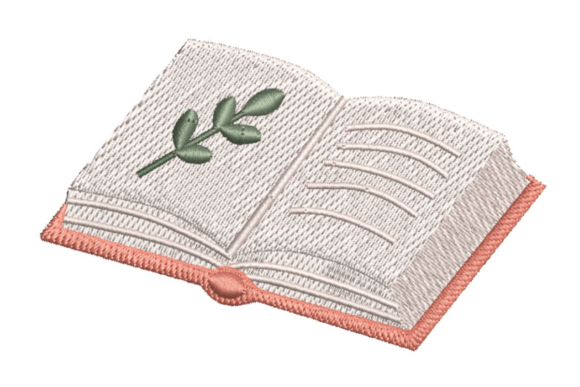
As an embroidery designer constantly curating collections for boutique apparel, I am always searching for digital assets that bridge the gap between niche aesthetics and commercial viability. When browsing Creative Fabrica embroidery listings, the Botanical Journal design immediately caught my attention for its potential in the cozy, academic, and cottagecore markets. This machine embroidery design features a charming open book with delicate leaf details, positioning it as a perfect candidate for sweatshirt embroidery and lifestyle branding. Before adding any new embroidery file to my production lineup, I evaluate it through the lens of a small shop product creator. Here is my professional assessment of how Botanical Journal performs for custom apparel and handmade product lines.
Visual Personality and Stitching Mood
The first impression of Botanical Journal is one of refined nostalgia. It does not scream for attention with bold, saturated fills; instead, it whispers with intricate line work and organic shapes. For a boutique brand, this visual personality is gold. The design balances the structured geometry of an open book with the fluid, unpredictable nature of botanical elements. This contrast creates a sophisticated mood that appeals to book lovers, students, and journaling enthusiasts without feeling juvenile.
From a technical design perspective, the delicate leaf detail suggests a lighter stitch density, which is crucial when embroidering on soft garments. Heavy, dense designs can cause puckering on lightweight fabrics or create a "bulletproof vest" effect on cozy fleece. Botanical Journal appears optimized for comfort, making it suitable for garments meant to be worn for long periods. The aesthetic leans heavily into the cottagecore trend but retains enough classic structure to work for traditional school themes or academic merchandise. It feels premium rather than mass-produced, which is essential for justifying higher price points in an Etsy seller’s shop.
Strategic Placement on Sweatshirts and Hoodies
When planning a hoodie design or sweatshirt collection, placement dictates the perceived value of the garment. Botanical Journal offers versatility that many single-focus designs lack. For oversized sweatshirts, I envision this design centered on the chest, sized moderately to maintain the delicate proportions of the leaves. A massive resize could distort the fine details, so respecting the original digitizing intent is key.
For a more unique boutique brand offering, consider sleeve accents. The vertical orientation of some botanical elements often pairs beautifully with the linear space of a sweatshirt sleeve. Alternatively, placing a smaller version of the open book near the cuff or wrist creates an intimate detail that customers discover upon closer inspection. This level of thoughtful placement signals to buyers that they are purchasing a carefully curated handmade product rather than a generic print.
Back designs are another strong application. Because the open book motif implies storytelling, centering it on the upper back of a denim jacket or canvas tote bag creates a narrative focal point. However, when working with darker apparel, thread colors must be selected intentionally. Cream, sage green, or dusty rose threads will pop against charcoal or navy fleece, whereas white thread might look too stark. Always test your thread color contrast on scrap fabric before committing to a full production run.
Technical Considerations for Apparel Decorators
While Botanical Journal is aesthetically pleasing, successful commercial embroidery requires technical diligence. As with any digital embroidery file, you must verify the specific hoop size and format compatibility listed in the Creative Fabrica product details before purchasing. Assuming a design fits your machine without checking specifications is a common pitfall for new entrepreneurs.
Stabilizer choice is non-negotiable for this type of design. Because the artwork relies on delicate lines and open spaces, using the wrong backing on stretchy knit fabrics can lead to registration issues where the leaves do not align perfectly with the book outline. For sweatshirt embroidery, I recommend a medium-weight cutaway stabilizer to support the stitches during wear and washing. For woven fabrics like denim jackets or tote bags, a tear-away may suffice, but always test on similar fabric texture first.
Pay close attention to stitch density in relation to your garment weight. If you are applying this to a thick, high-pile fleece, the delicate details might get lost in the fabric nap. In such cases, using a water-soluble topping is essential to keep the stitches crisp and visible. Conversely, if applying to a thin t-shirt, ensure the design isn't too heavy, or it will drag the neckline down. These adjustments are what separate professional results from amateur attempts.
Elevating Brand Identity and Buyer Trust
In the competitive landscape of Etsy sellers and small clothing brands, visual consistency builds buyer trust. Using a cohesive design like Botanical Journal across multiple products helps establish a recognizable brand identity. Imagine a collection featuring this design on a pastel hoodie, a matching tote bag, and even a coordinating bookmark. This cross-product merchandising encourages customers to buy sets rather than single items.
Furthermore, high-quality embroidery photography is vital. When creating printable mockups or listing photos, ensure the digitized design looks as good on screen as it does in real life. Lifestyle product photos showing the sweatshirt being worn while reading or journaling reinforce the intended use case. Customers connect with the story behind the item. By marketing Botanical Journal as part of a "cozy study" or "cottagecore reading" collection, you tap into specific emotional triggers that drive sales.
Professional presentation also extends to licensing. Before selling finished apparel, confirm the commercial use terms associated with the embroidery file. Understanding your rights protects your business and ensures you are operating ethically within the creative community. Transparent business practices enhance customer confidence and protect your shop's reputation.
Practical Designer Notes for Production
To maximize the success of Botanical Journal in your shop, follow these practical steps during the sampling phase:
- Test on Scrap Fabric: Never run a new design directly on a sellable garment. Use scraps of the exact same material to check tension and stabilizer performance.
- Review Thread Colors: Monitor how different thread brands interpret the color palette. A matte cotton thread might suit the rustic vibe better than a shiny rayon.
- Inspect Stitch Density: Run your finger over the test sample. If it feels stiff or cardboard-like, the density may be too high for that specific fabric.
- Check Hoop Size: Verify the design dimensions fit comfortably within your hoop with adequate margin for proper tensioning.
- Confirm Licensing: Double-check Creative Fabrica product details regarding commercial limits for physical products versus digital redistribution.
- Evaluate Washability: Launder your test swatch to ensure the delicate leaf details hold up after shrinking and agitation.
Botanical Journal represents a strong opportunity for apparel decorators looking to capture the bookish and cottagecore demographics. Its blend of academic charm and natural elegance makes it a versatile asset for sweatshirt embroidery, tote bags, and boutique collections. By approaching this machine embroidery design with technical care and strategic marketing, you can transform a simple digital file into a best-selling staple of your handmade business. Remember that successful commercial embroidery is equal parts art and engineering; honor both, and your customers will appreciate the difference.