Book with Flower Bookworm: A Designer's Review
As an embroidery designer who has stitched out thousands of files for both personal enjoyment and commercial client work, I approach every new machine embroidery design with a critical eye. It is not enough for a digitized file to simply look good on a screen; it must perform under the needle. When evaluating the Book with Flower Bookworm Bookish design, my primary focus is on how this whimsical motif translates from a digital preview to a tangible, high-quality finished product. This review breaks down the practical realities of using this design in real-world scenarios, specifically for makers, Etsy sellers, and apparel decorators who need reliability alongside aesthetic appeal.
First Impressions and Visual Personality
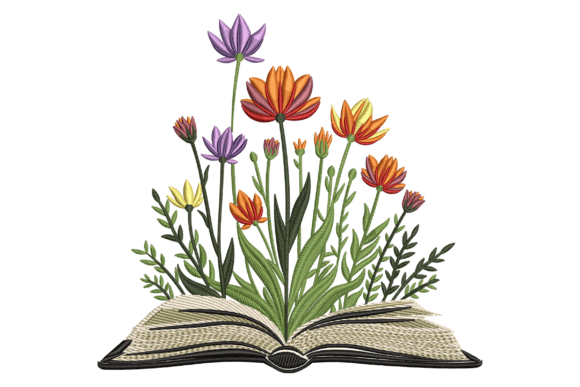
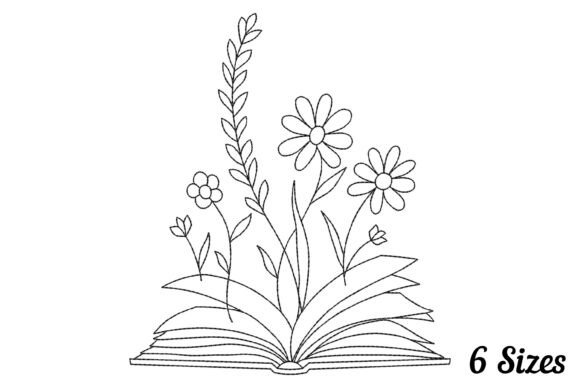
Upon loading the embroidery file into my software, the immediate impression is one of nostalgic charm balanced with modern vector cleanliness. The composition centers on a book intertwined with floral elements, creating a natural frame that softens the geometric lines of the literature theme. For those in the School category or creating teacher appreciation gifts, this balance is crucial. It avoids being overly juvenile while remaining playful enough for children’s items.
The visual weight appears well-distributed. In Embroidery, unbalanced designs can cause fabric distortion or hoop burn, but this layout suggests a thoughtful distribution of stitch types. The integration of the flower elements provides excellent opportunities for color variation, allowing crafters to customize the palette without losing the structural integrity of the book motif. This versatility makes it a strong candidate for a handmade product line where seasonal color changes are necessary to keep inventory fresh.
Real-World Application: The Custom Tote Bag Test
To truly judge this design, I mentally placed it in a specific production scenario: creating a custom canvas tote bag for a local library fundraiser. Canvas is a forgiving but textured substrate that demands a design with adequate coverage and clear definition. The Book with Flower Bookworm Bookish design fits this use case exceptionally well because the combination of botanical and literary themes resonates deeply with the target demographic.
For a tote bag design, readability from a distance is key. The silhouette of the book needs to hold up against the coarse weave of the canvas. Based on the design structure, I would anticipate using a slightly heavier thread weight or adjusting the stitch density to prevent the fabric texture from showing through the fill areas. If this were an applique design variation, it would be ideal for reducing stitch count on large bags. However, assuming a standard full-stitch version, the floral accents serve a functional purpose: they break up large solid areas of the book cover, reducing the risk of puckering on non-stretch woven fabrics.
This specific application also highlights the design's value for commercial embroidery. A tote bag featuring this motif has a higher perceived value than generic text-only merchandise. The intricate interplay between the worm, the book, and the flowers signals to the buyer that this is a curated piece of art, justifying a premium price point for small shop product listings.
Performance Across Different Substrates
Versatility is the hallmark of a profitable digital embroidery file. Here is how I evaluate this design across various common project types:
- Sweatshirt Embroidery: Fleece and French terry are thick and lofty. The details in the flower petals and the bookworm’s expression must be bold enough not to get lost in the nap of the fabric. This design likely requires a water-soluble topping to ensure the satin stitch borders remain crisp and do not sink into the fibers.
- Baby Embroidery: When stitching for infants, safety and comfort are paramount. If placing this on a onesie or bib, I would check the back of the stitching after completion. Complex designs can create rough backing. Using a soft cutaway stabilizer and ensuring no sharp jump stitches remain on the underside is essential for skin contact.
- Kitchen Towels and Tea Towels: Linen and cotton towels undergo frequent washing. The fill stitch areas in the book cover must be dense enough to withstand abrasion but open enough to maintain the drape of the towel. Overly dense stitching here can make the towel stiff and prone to tearing around the design perimeter.
- Embroidered Patch: The distinct outline of the book makes this a potential candidate for patch creation, provided the border is reinforced with a proper merrow or satin edge. The internal details would need to be simplified slightly if scaling down for a small patch size.
Critical Considerations and Limitations
No design is perfect for every situation. As a professional reviewer, I must highlight where caution is needed when using Book with Flower Bookworm Bookish.
Hoop Size and Scaling
Always verify the native dimensions before purchasing or stitching. Resizing a complex design like this by more than 10-15% can compromise stitch integrity. Enlarging may cause gaps in the running stitch details, while shrinking can lead to thread breaks and needle damage due to overlapping stitches. If you require a significantly different size, seek a professionally redigitized version rather than relying on machine auto-resize features.
Fabric Texture and Contrast
On highly textured fabrics like terry cloth or minky, fine details such as the bookworm’s facial features or delicate leaf veins may disappear. In these cases, consider simplifying the design or increasing contrast. Dark fabrics present another challenge; ensure the thread colors selected have sufficient luminance to stand out against navy or black backgrounds. A printable mockup test in grayscale can help predict visibility issues before wasting materials.
Stabilizer Selection
The success of this embroidery project hinges on proper stabilization. For stretchy knits used in custom apparel, a permanent cutaway stabilizer is non-negotiable to prevent distortion during wear and washing. For woven home decor items, a tear-away might suffice, but always test first. Incorrect stabilizer choice is the most common cause of poor registration in multi-color designs involving precise alignment between the book and floral elements.
Professional Workflow and Business Integration
For Etsy seller accounts and craft business owners, this design serves as more than just a pretty picture; it is a design asset that drives engagement. When listing products featuring this motif, emphasize the "bookish" and "cottagecore" aesthetics in your tags. The design naturally lends itself to niche marketing for librarians, teachers, students, and avid readers.
Before adding this to your commercial catalog, confirm the licensing terms. Ensure you have the right to sell physical personalized gift items or if the license extends to digital transfers. Always stitch a sample on your intended production fabric before listing. Photograph the actual stitched item rather than relying solely on digital renders; customers trust real-life texture and sheen. This transparency builds brand consistency and reduces return rates.
Additionally, consider how this design pairs with others in your library. Does it coordinate with matching bookmarks, reading glasses cases, or literary quote designs? Creating cohesive collections increases average order value. The Book with Flower Bookworm Bookish design acts as an excellent anchor piece for a broader scholastic or botanical collection.
Final Designer Verdict
The Book with Flower Bookworm Bookish design demonstrates strong potential for both hobbyist satisfaction and professional application. Its strength lies in its thematic clarity and adaptable composition. Whether you are embellishing a holiday embroidery gift for a favorite teacher or launching a new line of literary-themed custom apparel, this design offers a solid foundation.
However, professional results require professional preparation. Test your hoop size, validate your stabilizer choices against your specific fabric, and respect the scaling limits of the digitization. By treating this file as a technical component of your manufacturing process rather than just a decorative element, you ensure that every stitch contributes to a durable, beautiful, and sellable product. For makers seeking to blend imagination with technical execution, this design earns a place in the working library.