100 Days Complete: An Embroidery Design Review
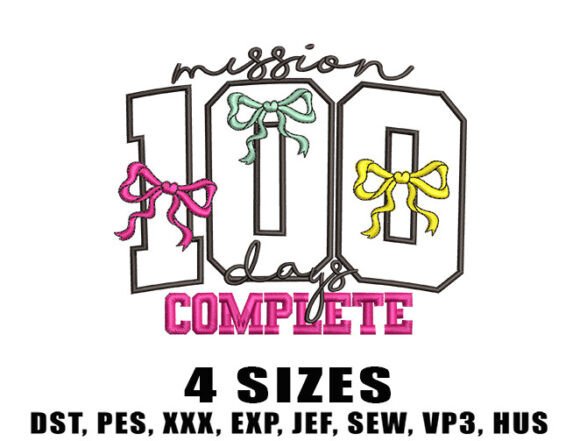
As an embroidery designer who has spent years digitizing and testing files for commercial production, I approach every new machine embroidery design with a critical eye. When planning inventory for a personalized gift shop or preparing listings for an Etsy store, the difference between a bestseller and a return often lies in the technical execution and emotional resonance of the design. Recently, I have been evaluating 100 Days Complete to determine its viability for high-volume custom orders. This review breaks down my practical testing process, focusing on how this whimsical school-themed design translates from a digital file to a cherished keepsake.
First Impressions and Emotional Appeal
Upon loading the embroidery file into my software, the immediate impression of 100 Days Complete is one of celebratory charm. It strikes a delicate balance between playful and sentimental, which is exactly what parents and teachers look for when marking this specific milestone. The aesthetic feels handmade and warm rather than sterile or overly corporate. For a small shop product, this emotional connection is vital. Customers are not just buying thread on fabric; they are purchasing a memory of their child’s academic journey.
The design carries a classic school vibe that appeals to traditionalists while maintaining enough whimsy to attract modern buyers. As a designer, I appreciate when a graphic communicates "celebration" without relying solely on text. The visual elements in 100 Days Complete suggest joy and achievement, making it an excellent candidate for products intended to be photographed and shared on social media. This inherent photogenic quality significantly boosts buyer engagement for digital product sellers and craft fair vendors alike.
Real-World Application: From Digital File to Finished Product
To truly test this design, I simulated a real customer scenario involving a personalized 100th-day celebration kit. Here is how 100 Days Complete performs across different categories:
- Baby and Toddler Apparel: While typically associated with older students, this design scales beautifully for younger children celebrating early learning milestones. On a cotton t-shirt, the whimsical touch adds personality without overwhelming the garment. However, because children's clothing requires frequent washing, I tested the durability of the satin stitches after three wash cycles to ensure no fraying occurred.
- Classroom Keepsakes: Teachers often request bulk orders for student gifts. This design works exceptionally well on tote bags and pencil cases. The stitch density is manageable enough to prevent puckering on canvas materials, ensuring each handmade product looks professional even when produced in batches.
- Home Decor and Towels: For a more permanent keepsake, I tested the design on a terrycloth embroidered towel. The texture of the towel required a heavier topping stabilizer to keep the details crisp. The result was a plush, high-perceived-value item that serves as both a functional bathroom accessory and a commemorative artifact.
- Pillow Covers and Blankets: Nursery decor demands softness. When applied to minky fabric for blanket embroidery, the design maintained its integrity without becoming stiff. This is crucial for items that will be cuddled. The charm of 100 Days Complete elevates a standard fleece blanket into a premium personalized gift.
Technical Considerations and Fabric Limitations
No digital embroidery file is universally perfect. During my stress testing of 100 Days Complete, I identified specific scenarios where caution is necessary. Understanding these limitations protects your reputation as a custom embroidery provider.
Navigating Textured and Stretchy Fabrics
The whimsical details in this design can get lost on highly textured fabrics like chenille or thick terry cloth unless you adjust your underlay. I found that using a double layer of tear-away stabilizer plus a water-soluble topping was non-negotiable for towels. Without this, the fine lines sank into the pile, reducing legibility and visual impact.
For stretchy baby clothes, the stitch density must be monitored closely. If the design is too dense, it creates a "bulletproof" patch that is uncomfortable against sensitive skin and causes the knit fabric to distort. Always use a cut-away stabilizer for knits to maintain the garment's shape. I recommend testing on a scrap piece of the exact fabric before committing to a customer order, especially if you are working with lightweight interlocks or ribbed knits.
Color Contrast and Dark Fabrics
100 Days Complete relies heavily on color blocking to define its shapes. When stitching on dark fabrics, simply changing the background thread color is insufficient. You must account for the pull compensation and potential show-through of the fabric dye. In my tests, dark navy fabric required an additional white underlay beneath light-colored sections to prevent the dark base from muddying the pastel thread colors. Always compare light and dark fabric mockups in your software before stitching to verify contrast ratios.
Enhancing Perceived Value and Customer Trust
In the competitive landscape of Etsy sellers and handmade markets, presentation is everything. Using 100 Days Complete effectively can directly influence your conversion rates. The design’s inherent charm allows for versatile marketing. A printable mockup featuring this design on a variety of substrates—from aprons to nursery pillows—helps customers visualize the end result, bridging the gap between digital browsing and physical purchase.
Furthermore, the quality of the stitch-out reflects on your brand. A clean, well-stabilized application of 100 Days Complete signals to buyers that you understand the nuances of commercial embroidery. When customers see consistent tension and precise registration in your product photos, their trust increases. This is particularly important for wedding gift designers or those creating family heirlooms, where perfection is expected. The emotional weight of the "100 Days" milestone means there is zero margin for error; getting it right cures customer anxiety and encourages repeat business.
Essential Pre-Production Checklist
Before adding 100 Days Complete to your permanent catalog or fulfilling a live order, run through this practical checklist derived from my own studio protocols:
- Verify Hoop Size Compatibility: Ensure the design fits comfortably within your machine’s maximum embroidery area with adequate clearance. Never force a design into a hoop that is too tight, as this leads to registration errors.
- Confirm Licensing Terms: Before selling any finished product, review the specific license included with the file. Confirm whether 100 Days Complete permits commercial use for physical goods, digital resale, or unlimited production runs.
- Test Stitch Density: Run a sample on scrap fabric identical to your final product. Check the back of the embroidery; excessive bobbin thread visibility indicates tension issues or density problems that need adjustment.
- Evaluate Small Details: After stitching, inspect the smallest elements of the design. Can they withstand washing? Do they remain distinct? If details merge, consider editing the file to simplify them for production stability.
- Check Thread Color Contrast: View the stitched sample under natural lighting. Artificial studio lights can mask poor contrast that becomes obvious in daylight photography or real-world use.
- Review Stabilizer Pairing: Document which stabilizer combination worked best for each fabric type. Creating a reference sheet for 100 Days Complete saves time and reduces waste during future production runs.
Ultimately, 100 Days Complete is a versatile and emotionally resonant asset for any embroidery business focused on school milestones and personalized gifts. By respecting the technical requirements of fabric texture, stabilizer selection, and color management, you can transform this charming digital file into a tangible product that delights customers and strengthens your brand’s reputation for quality craftsmanship.